Mother’s Day is often treated as a universal celebration, but motherhood itself is anything but universal. Motherhood is not a single, static identity—it is a journey that evolves over time, shaped by changing responsibilities, emotions, priorities, and personal growth. A first-time mom navigating sleepless nights has very different needs from a mother with teenagers, just as an empty-nester experiences the day differently than a new grandmother.
And yet, when it comes to gifting, many people approach Mother’s Day with a one-size-fits-all mindset. Flowers, chocolates, a last-minute card—these gestures are appreciated, but they often miss something deeper. They do not always reflect where a mother is in her life right now.
We explored the general considerations of how to find the perfect Mother’s Day gift in our Ultimate Guide to Mother’s Day Gifting. However in this blog, we focus on why one of the most powerful factors in choosing a meaningful Mother’s Day gift is the stage of motherhood she is in. Because when a gift aligns with her current reality—her challenges, her joys, her identity—it stops being generic and starts becoming personal.
This approach does not just make your gift better. It makes it more thoughtful, more relevant, and ultimately more memorable.
Why the Stage of Motherhood Matters More Than You Think
Motherhood is often spoken about as a single role, but in reality, it is a series of transitions. Each stage brings new demands, new emotions, and new ways of seeing the world.
In the early years, motherhood can feel all-consuming. Time becomes fragmented, energy is limited, and personal identity often takes a back seat. As children grow, the role shifts. Mothers become guides, supporters, and emotional anchors. Later, as children become independent, motherhood transforms again—less about daily care and more about connection, reflection, and legacy.
What this means for gifting is simple but often overlooked: what felt meaningful five years ago may not feel meaningful today. A practical gift that once felt helpful might now feel impersonal. A sentimental gift that once felt unnecessary might now feel deeply significant. An experience that once felt impossible might now feel like the perfect escape.
When you consider the stage of motherhood, you are not just choosing a gift—you are acknowledging her reality. You are saying, “I see where you are in your life right now, and I’ve chosen something that fits that.” That level of awareness is what transforms a good gift into a meaningful one.
The New Mom: Navigating the Overwhelming Beginning
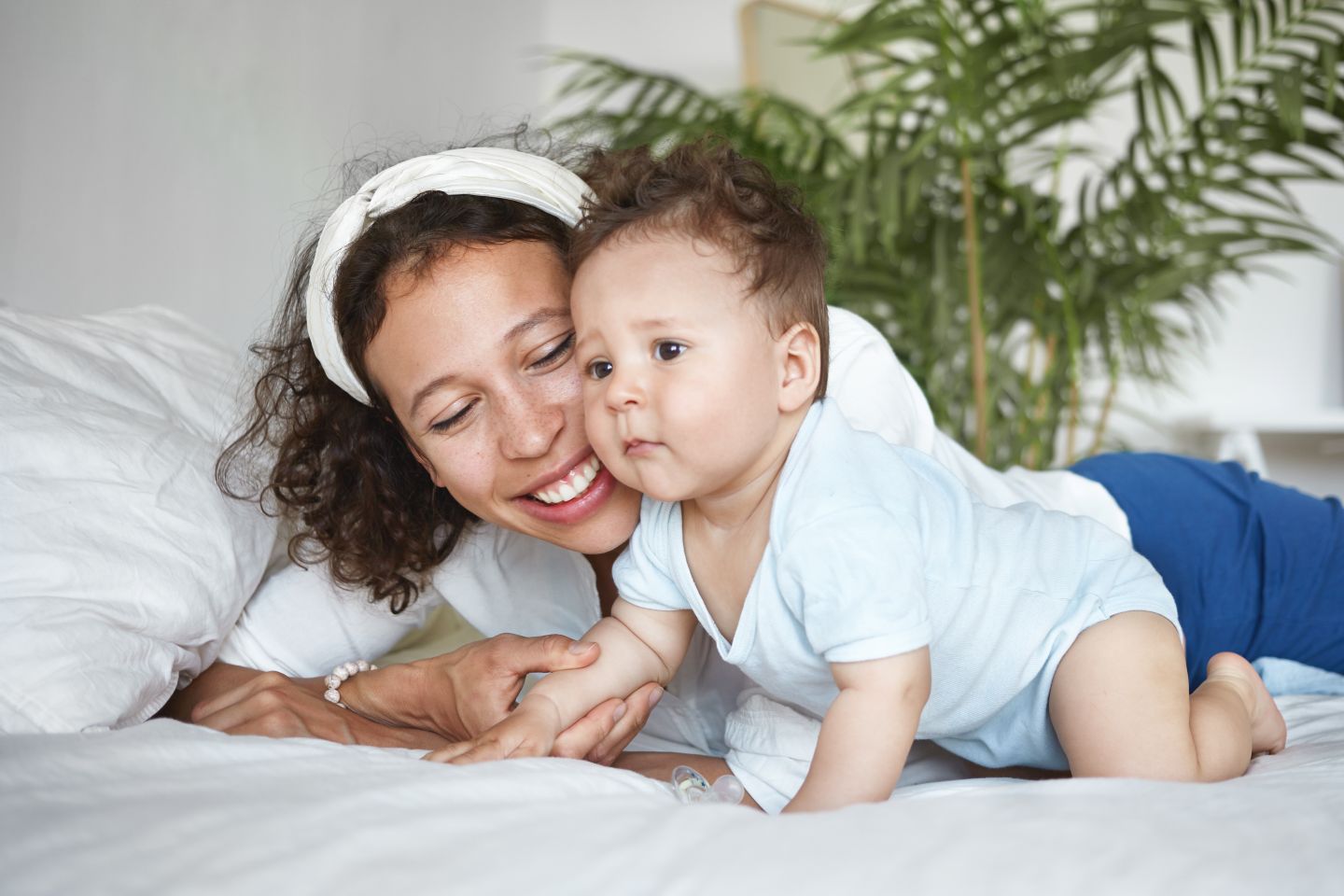
The early stage of motherhood is often described as magical, but it is equally overwhelming. New mothers are adjusting to a completely new rhythm of life—one that is physically exhausting, emotionally intense, and often unpredictable. Sleep is limited. Time feels fragmented. Personal space becomes rare. And while there is immense love, there is also a quiet sense of loss—the loss of routine, independence, and sometimes even identity.
When choosing a gift for a new mom, the most important thing to understand is that her needs are immediate and real. This is not the stage for overly symbolic or decorative gifts that do not serve a purpose in her daily life. The most meaningful gifts at this stage are those that provide relief, comfort, or a sense of being cared for.
This could take the form of something that gives her time back—perhaps help with meals, childcare support, or even a thoughtfully arranged day where she does not have to manage everything herself. It could also be something that focuses on her well-being, reminding her that she is still an individual, not just a caregiver.
Sentimental gifts can also be powerful at this stage, but they should feel effortless rather than demanding. A simple keepsake that captures a moment—without requiring her to create it herself—can become something she treasures later, even if she is too busy to fully appreciate it now.
What matters most is that the gift acknowledges her reality: she is doing something incredibly demanding, and she deserves support, care, and recognition.
The Mom with Young Children: Balancing Chaos and Joy
As children move beyond infancy into toddlerhood and early childhood, motherhood enters a new phase—one that is often characterized by constant activity, noise, and unpredictability.
This is a stage filled with energy. Days are structured around school schedules, playtime, and endless questions. Mothers at this stage are often deeply involved in every aspect of their children’s lives, balancing responsibilities while trying to create meaningful experiences. What they often lack, however, is time for themselves.
When choosing a Mother’s Day gift for a mom with young children, the most valuable thing you can offer is space—both physical and mental. This does not necessarily mean a grand gesture. It can be something as simple as creating a moment where she is not responsible for anyone else. A quiet morning, an uninterrupted afternoon, or even a small window of time where she can do something she enjoys without distraction.
Gifts at this stage can also focus on shared experiences. Activities that allow her to spend quality time with her children—without the stress of planning or organizing—can be incredibly meaningful. At the same time, it is important to remember her individuality. She is not just a mother of young children; she is a person with her own interests and preferences. A gift that reflects that—something chosen specifically for her, not her role—can feel deeply validating.
This stage is about balance, and the best gifts help create it.
The Mom with Teenagers: Supporting Independence and Connection
The teenage years bring a completely different dynamic to motherhood. The physical demands may decrease, but the emotional complexity often increases.
Mothers of teenagers are navigating a delicate balance between guidance and independence. Conversations become more nuanced. Relationships evolve. There is often a mix of pride, concern, and nostalgia as children begin to form their own identities.
At this stage, Mother’s Day can feel subtly different. It is less about daily caregiving and more about connection.
Gifts that foster this connection can be particularly meaningful. Experiences that create opportunities for conversation—whether it is a shared outing, a meal, or even a simple activity—can strengthen bonds in a way that material gifts sometimes cannot.
There is also room at this stage for more refined, personal gifts. As routines become more stable, mothers may have more time to enjoy things that were previously set aside. This opens the door for gifts that reflect her interests, hobbies, or personal style.
Sentimental gifts also take on new meaning here. As children grow older, there is often a greater appreciation for memories and milestones. A thoughtful reminder of shared experiences can feel especially powerful.
What matters most is recognizing that her role is evolving. She is no longer just managing daily needs—she is shaping relationships that will continue into adulthood.
The Empty Nester: Rediscovering Identity
When children leave home, motherhood enters one of its most profound transitions. The daily routines that once defined life shift dramatically, and many mothers find themselves rediscovering who they are outside of their caregiving role.
This stage can be both liberating and challenging. There is more time, more freedom, and more space—but there can also be a sense of absence.
Mother’s Day, during this phase, becomes less about activity and more about acknowledgment.
Gifts for empty nesters should reflect this shift. They can focus on personal fulfillment, experiences, and self-expression. This is an ideal stage for gifts that encourage exploration—whether that means travel, hobbies, or simply new ways to spend time.
Experiential gifts can be particularly impactful here. They offer not just a moment, but something to look forward to. They create new memories in a stage of life that is often defined by change.
At the same time, connection remains important. Even though children may no longer live at home, the emotional bond remains strong. A gift that reinforces that connection—through shared experiences or thoughtful gestures—can carry significant meaning.
This stage is about rediscovery, and the best gifts support that journey.
The Grandmother: Celebrating Legacy and Connection
Becoming a grandmother introduces a new dimension to motherhood. It is a stage defined not by daily responsibility, but by legacy, reflection, and continued connection.
Grandmothers often play a unique role in families. They are storytellers, supporters, and sources of wisdom. Their relationship with their children evolves, and a new relationship with grandchildren begins.
Mother’s Day at this stage is less about obligation and more about appreciation.
Gifts for grandmothers can be deeply sentimental. They often value items that reflect family, memory, and connection. Something that brings together different generations—whether through shared experiences or meaningful keepsakes—can feel especially significant.
There is also an opportunity to celebrate her as an individual. While her role as a grandmother is important, it does not define her entirely. Gifts that reflect her personality, interests, and passions can feel refreshing and affirming.
What matters most is recognition—not just of what she has done, but of who she is.
The Overarching Principle: Thoughtfulness Over Tradition
Across all stages of motherhood, one principle remains consistent: the most meaningful gifts are those that feel intentional.
It is easy to fall back on tradition. Flowers, cards, and familiar options exist for a reason—they are accessible and widely appreciated. But when used without thought, they can feel predictable.
What elevates a gift is not its category, but its relevance.
A simple gift, chosen with care, can have more impact than something elaborate but impersonal. A small gesture, when aligned with her current stage of life, can feel deeply meaningful.
This is especially important in today’s world, where time is limited and relationships are often shaped by distance and busy schedules. A thoughtful gift becomes more than an object—it becomes a moment of connection.
Bringing It All Together: Gifting That Reflects Real Life
Choosing a Mother’s Day gift based on the stage of motherhood is not about overanalyzing or complicating the process. It is about paying attention.
It is about recognizing that motherhood changes, and that those changes matter.
When you take the time to consider where she is in her journey, you naturally make better choices. You move away from generic ideas and toward something that feels specific, relevant, and genuine.
And that is ultimately what makes a gift memorable.
Because long after Mother’s Day has passed, what she will remember is not just what you gave her—but how it made her feel.
Seen. Understood. Appreciated.
And that is the kind of gift that never goes out of style.