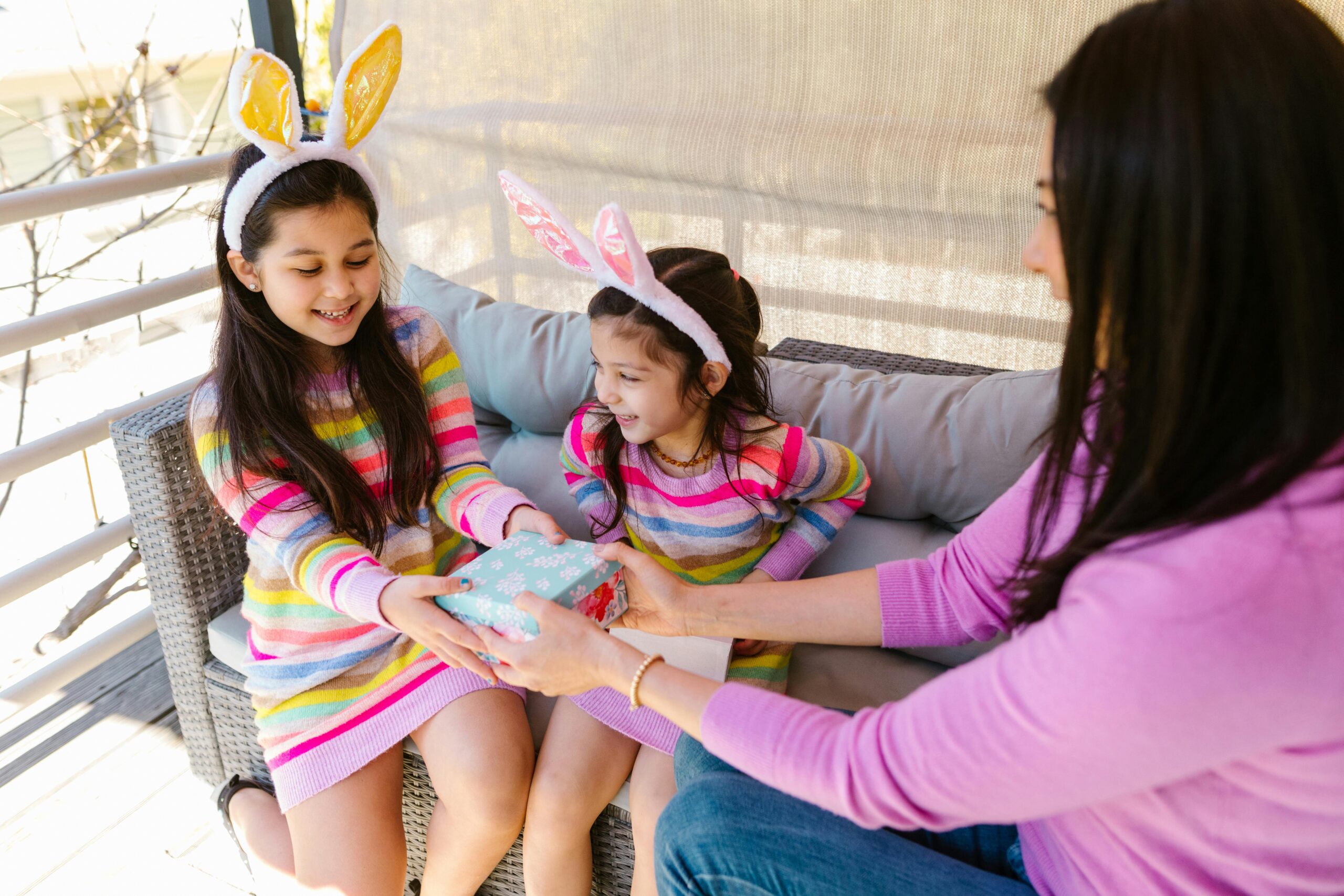
Easter has become one of the most meaningful gifting occasions of the year, not because of scale or expectation, but because of its emotional tone. It arrives at a time when people are ready for renewal, warmth, and connection. Unlike more commercial holidays, Easter gifting is subtle. It is rooted in thoughtfulness rather than obligation, and that is exactly what makes it powerful.
This guide explores Easter gifting in its entirety, from its origins to its modern evolution, and from etiquette to creative ideas that feel genuinely personal. Whether you are selecting something small and symbolic or curating a more elaborate gift, the goal is the same: to give in a way that feels intentional and memorable.
Why Easter Gifting Feels Different
Easter occupies a unique space in the calendar. It represents a shift, not just in season, but in mindset. As winter fades and spring begins, people naturally gravitate toward fresh starts, lighter moods, and renewed energy. Gifting during this time reflects those emotions. What makes Easter gifting stand out is its intimacy. It is rarely about making a grand statement. Instead, it is about recognizing relationships in a quieter, more personal way. A well-chosen Easter gift feels thoughtful without being overwhelming, and that balance is what makes it resonate so deeply.
In recent years, there has been a noticeable shift toward gifts that feel curated rather than generic. People are paying more attention to how gifts are presented, how they align with someone’s lifestyle, and how they contribute to an experience rather than just a moment.
The Origins of Easter Gifting
To understand how Easter gifting became what it is today, it helps to look at its symbolic beginnings. Many of the traditions associated with Easter existed long before modern celebrations took shape.
Eggs have long been seen as symbols of new life and renewal. In ancient spring festivals, they represented fertility and the promise of growth after a long winter. Over time, this symbolism carried into Easter traditions, where decorated eggs became tokens of goodwill and celebration.
Rabbits also became associated with the season due to their connection with fertility and abundance. These early symbols eventually blended into cultural practices that emphasized giving small, meaningful items to mark the occasion.
In its earliest form, Easter gifting was simple. People exchanged decorated eggs, shared baked goods, and offered handmade items to friends and family. These gestures were not about value, but about meaning. As time passed, confectionery innovations introduced chocolate eggs, and gifting became more widespread. Despite these changes, the core idea has remained consistent. Easter gifts are meant to symbolize renewal, joy, and connection, rather than extravagance.
How Easter Gifting Has Evolved
Modern Easter gifting has expanded far beyond its original forms, yet it still retains its essence. Today, it blends tradition with creativity, allowing for a wide range of expressions.
The classic Easter basket is a perfect example of this evolution. What was once a simple collection of sweets has transformed into a highly customizable gift. People now treat baskets as curated experiences, carefully selecting items that reflect the recipient’s personality and interests.
Egg hunts have also evolved. While they remain a staple for children, they are increasingly being adapted for adults as well. Instead of just candy, eggs may contain small gifts, thoughtful notes, or even experiences, turning the activity into something interactive and memorable.
At the same time, shared meals continue to play a central role in Easter celebrations. These gatherings create natural opportunities for gifting, particularly in the form of host presents. Bringing something thoughtful to contribute to the occasion is both a gesture of appreciation and a way to participate in the celebration.
Easter Gifting Etiquette
Although Easter gifting is generally relaxed, there are still unspoken guidelines that can help ensure your gift feels appropriate and well-received. Understanding these nuances can make a significant difference in how your gesture is perceived. A good Easter gift is thoughtful without being excessive. Unlike major holidays that often involve larger exchanges, Easter calls for a lighter touch. The emphasis should always be on meaning rather than cost.
It is also important to consider the recipient’s lifestyle. A gift that aligns with someone’s preferences and daily habits will always feel more personal. For example, someone who values wellness might appreciate a self-care item, while someone who enjoys entertaining might prefer something they can share with others.
Presentation plays a crucial role as well. Easter is inherently visual, with its association with spring colors and fresh, natural elements. Packaging that reflects these themes enhances the overall experience and makes the gift feel more intentional.
Timing is another factor to keep in mind. Easter gifts are typically given on the day itself or during gatherings leading up to it. Giving a gift too late can reduce its impact, as it may no longer feel connected to the occasion.
Thoughtful Easter Gift Ideas
Choosing the right Easter gift begins with understanding who you are buying for. Different recipients require different approaches, but the underlying principle remains the same: the gift should feel personal.
For children, Easter is still a time of excitement and discovery. Gifts that encourage creativity or play tend to leave a lasting impression. Items that engage their imagination or allow them to build, create, or explore often feel more meaningful than simple treats.
Teenagers, on the other hand, require a more nuanced approach. They tend to value items that reflect their interests and sense of identity. A well-chosen gift for a teen feels current and curated, rather than generic or overly traditional.
Adults offer the greatest opportunity for creativity. Easter gifts for adults can lean into subtle luxury, practicality, or relaxation. A thoughtfully assembled set of items that encourages enjoyment or self-care often feels especially appropriate for the season.
Couples can be gifted items that create shared experiences. Whether it is something they can do together or something that enhances their time at home, these gifts tend to strengthen connection and feel particularly meaningful.
When attending a gathering, bringing a host gift is always a thoughtful gesture. It does not need to be elaborate, but it should feel intentional. Something that contributes to the atmosphere of the event or can be easily enjoyed by the host is always a good choice.
The Rise of Non-Chocolate Easter Gifts
One of the most notable trends in Easter gifting is the growing demand for alternatives to chocolate. While sweets remain popular, many people are looking for options that feel more lasting or better aligned with their preferences.
This shift is driven by a variety of factors, including dietary choices, health considerations, and a desire for gifts that extend beyond a single moment. As a result, non-chocolate gifts have become increasingly creative and diverse.
Some of the most popular alternatives include items that promote relaxation, creativity, or everyday enjoyment. These gifts often feel more personal because they reflect how someone lives, rather than simply offering a seasonal treat.
How to Create a Memorable Easter Gift Box
A curated gift box is one of the most effective ways to elevate Easter gifting. It allows you to combine multiple elements into a cohesive experience that feels both thoughtful and visually appealing. The process begins with selecting a clear theme. This theme acts as a guiding principle, ensuring that every item feels connected. Once the theme is established, the next step is to choose items that complement one another.
A well-balanced gift box typically includes a standout item that draws attention, supported by a few smaller items that enhance the overall experience. Adding a small, unexpected element can also create a sense of surprise, making the gift more memorable.
Presentation is what brings everything together. Thoughtful packaging transforms a collection of items into a unified gift, reinforcing the sense of care and intention behind it.
Easter Gifting in Professional Settings
Easter is often overlooked as an opportunity for professional gifting, but it can be surprisingly effective. Because it is less saturated than other holidays, a well-timed Easter gift can stand out and leave a lasting impression.
In professional contexts, the key is to strike the right balance. Gifts should feel thoughtful but not overly personal, and they should reflect appreciation without creating discomfort. The most effective corporate Easter gifts are those that are easy to enjoy and broadly appealing. Items that can be shared or used in a professional environment tend to work particularly well.
Last-Minute Easter Gifting That Still Feels Thoughtful
Even when time is limited, it is still possible to create a meaningful Easter gift. The key is to focus on elements that have the greatest impact.
Presentation can make a simple gift feel elevated, while a handwritten note adds a personal touch that cannot be replicated. Choosing items that are already well-curated can also save time without sacrificing quality.
A few smart approaches to last-minute gifting include:
- Selecting pre-curated gift sets that feel cohesive
- Pairing a simple item with elevated packaging
- Adding a personal message to create emotional value
With the right approach, even a last-minute gift can feel intentional and well-considered.
What Makes an Easter Gift Truly Memorable
The most memorable gifts are not defined by their price or size. They are defined by how they make someone feel. A great Easter gift creates a moment of surprise, a sense of being understood, and an appreciation for the effort behind it.
When a gift feels aligned with the recipient’s personality and presented with care, it becomes more than just an object. It becomes an experience.
Common Mistakes to Avoid
Even thoughtful gifts can fall short if certain details are overlooked. One of the most common mistakes is choosing something that feels too generic. When a gift lacks personality, it is less likely to leave an impression.
Another mistake is overcomplicating the gift. Including too many items or mixing too many themes can make the gift feel unfocused. Simplicity, when done well, is often more effective.
Presentation is another area where people sometimes fall short. A beautifully chosen gift can lose its impact if it is not presented thoughtfully. Finally, waiting too long can limit your options and reduce the overall quality of your gift.
The Future of Easter Gifting
Easter gifting continues to evolve, shaped by changing preferences and cultural shifts. Personalization is becoming increasingly important, as people look for gifts that feel tailored to the individual. Experience-based gifting is also gaining momentum. Rather than focusing solely on physical items, many people are choosing gifts that create shared moments or lasting memories.
Aesthetics are playing a larger role as well. The visual appeal of a gift, from its packaging to its presentation, is becoming just as important as the gift itself. At the same time, there is a growing emphasis on sustainability, with more people seeking eco-friendly options.
Final Thoughts
Easter gifting is, at its core, an expression of care. It is an opportunity to acknowledge relationships, celebrate the season, and create moments that feel meaningful.
The most effective gifts are not the most elaborate ones. They are the ones that feel thoughtful, intentional, and aligned with the spirit of the occasion. When you approach Easter gifting with that mindset, even the simplest gesture can have a lasting impact.
Quick Easter Gifting Checklist
If you want to ensure your Easter gifts feel thoughtful and well-executed, keep these key principles in mind:
-
Focus on meaning rather than price
-
Choose items that reflect the recipient’s personality
-
Pay attention to presentation and packaging
-
Consider alternatives to traditional sweets
-
Keep the overall gift cohesive and intentional
When these elements come together, your gift becomes more than just a seasonal gesture. It becomes something that is remembered, appreciated, and genuinely felt.
Easter gifting continues to grow and evolve, but its essence remains unchanged. It is about renewal, connection, and the simple joy of giving in a way that feels personal. When done thoughtfully, it creates moments that linger long after the season has passed.