Gifting is a universal language, yet how it’s expressed differs dramatically across cultures. A present that brings joy in one country may create confusion—or even offense—in another. Understanding the nuances of gifting etiquette isn’t just polite; it’s essential for building meaningful relationships, whether personal, professional, or cross-cultural. Across Asia, Europe, the Americas, and the Middle East, the act of giving and receiving gifts reflects centuries of tradition, social norms, and deeply held cultural values. In today’s globalized world, where gifts can be shipped across continents at the click of a button, cultural awareness has never been more important.
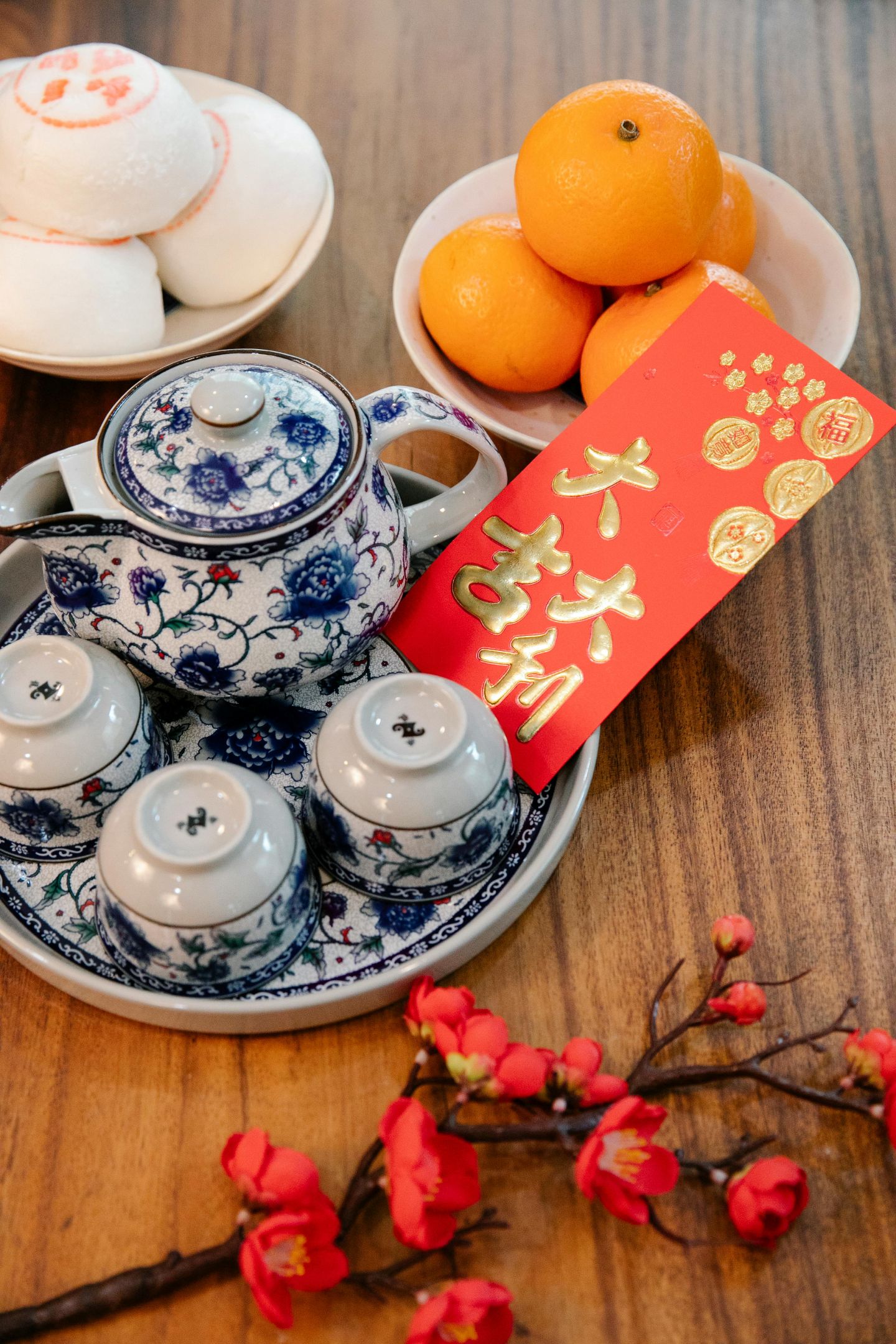
In Japan, for example, gifting is an art form. The way a gift is wrapped, the number of items included, the colors of the packaging, and even the timing can carry symbolic meaning. Omotenashi—the Japanese concept of hospitality and attention to detail—guides how gifts are presented. Giving a poorly wrapped or inappropriately timed gift can unintentionally convey thoughtlessness. Similarly, in China, red envelopes containing money are traditional during Lunar New Year and weddings, symbolizing luck and prosperity. However, gifts such as clocks, umbrellas, or sharp objects are avoided because they signify endings or separations. Even the way a gift is handed over—using both hands—is considered a mark of respect.
In Western cultures, by contrast, gifting etiquette is often more relaxed but still thoughtful. The emphasis is placed on personalization, thoughtfulness, and appropriateness to the recipient’s tastes rather than strict symbolic meanings. Birthdays, holidays, and anniversaries are celebrated with carefully chosen presents, often reflecting hobbies, favorite brands, or experience-based gifts. While wrapping is appreciated, the focus is largely on the meaning behind the gift and the connection it represents. Multi-item themed gifts, subscription boxes, or personalized keepsakes are especially valued for their intention and emotional resonance.
India offers another fascinating perspective on gifting etiquette. During festivals like Diwali or Raksha Bandhan, gifts symbolize goodwill, prosperity, and family bonds. Traditional gifts include sweets, decorative items, and meaningful tokens that honor relationships. Timing, presentation, and even the selection of colors can enhance the significance of a gift. Similarly, in the Middle East, gift-giving is a central expression of hospitality and respect. Refusing a gift or mishandling it can unintentionally signal rudeness, while thoughtful presents, especially during visits, weddings, or religious holidays, reinforce social ties and honor guests.
Even within regions, subtleties abound. Urban and rural areas may approach gifting differently, younger and older generations often have contrasting expectations, and business versus personal contexts can dictate entirely different protocols. For example, in South Korea, giving gifts to colleagues is common, but lavish or overly personal gifts in professional settings may be seen as inappropriate. In Europe, small gestures, such as flowers or chocolates, are widely appreciated, while certain colors or quantities can carry specific meanings depending on the country—white flowers in France, for instance, often symbolize sympathy rather than celebration.
Modern globalization has both simplified and complicated gifting. Online shopping, international shipping, and access to global brands make it easier than ever to send presents across borders, but these conveniences demand cultural sensitivity. Knowing which gifts are appropriate, which symbols to avoid, and how to present them ensures that thoughtfulness is preserved across distances. A well-chosen, culturally aware gift demonstrates respect, intention, and awareness, turning even a simple gesture into a meaningful moment.
Understanding international gifting etiquette illuminates why thoughtful presents continue to matter so much. Across Japan, China, India, Europe, and the Middle East, the essence of gifting transcends objects—it’s about respect, empathy, and connection. From ceremonial exchanges and festival traditions to modern personalized and themed gifts, every culture teaches us that intentionality and awareness are universal markers of a meaningful gift. Whether you’re sending a birthday surprise in New York, a wedding gift in London, a festive package in Mumbai, or a thank-you present in Dubai, culturally informed gifting creates moments that resonate deeply, honor traditions, and strengthen human bonds across borders.